
Autel EVO Max 4N
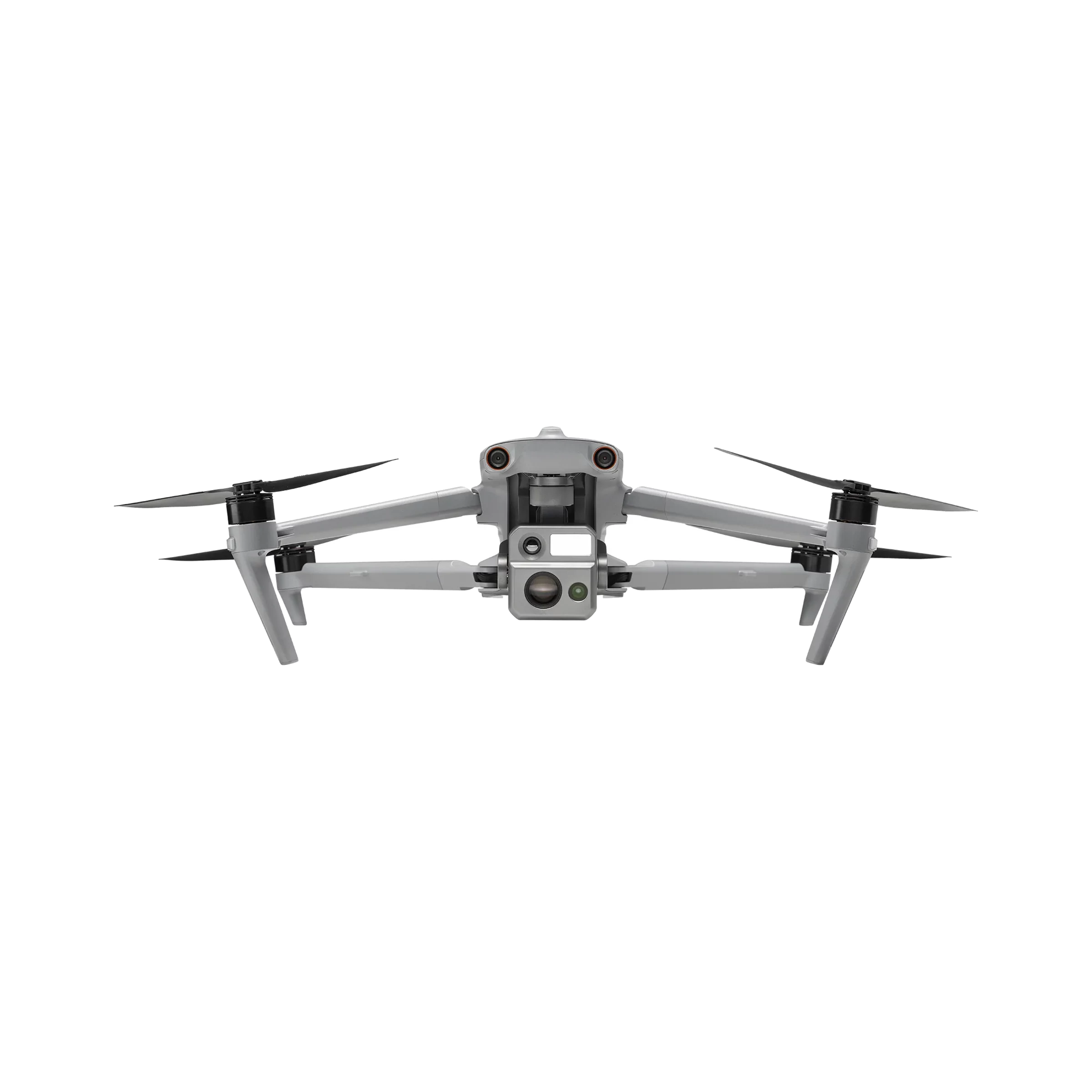
EVO Max 4N targets low-light observation with a high-sensitivity starlight camera and a thermal sensor.
What distinguishes this aircraft
EVO Max 4N targets low-light observation with a high-sensitivity starlight camera and a thermal sensor.
Applications and selection criteria
Its camera system combines a 50 MP visible-light module, 640 × 512 thermal imaging and laser ranging. Aircraft generation V1/V2 affects weight and hardware configuration.
Manufacturer specifications are tied to defined configurations and laboratory conditions. Flight endurance, radio range, EU class and payload compatibility must be checked for the aircraft and country concerned.
Technical specifications
Manufacturer specifications are tied to defined configurations and laboratory conditions. Flight endurance, radio range, EU class and payload compatibility must be checked for the aircraft and country concerned.
Aircraft and dimensions
| Aircraft type | Foldable industrial multirotor |
|---|---|
| Aircraft weight | 1 665 g (V1) / 1 700 g (V2) |
| Maximum take-off mass | ≤ 1 890 g (C2) / ≤ 1 999 g |
| Dimensions | 563 × 650 × 150 mm (V1) / 563 × 657 × 147 mm (V2) |
| Ingress protection | IP43 |
Imaging and payload
| Visible-light camera | 50 MP · 1/0.98″ CMOS |
|---|---|
| Thermal camera | 640 × 512 px |
| Low-light camera | 2.3 MP · 0.0001 lx |
| Laser rangefinder | 5–1 200 m |
| Optical / hybrid zoom | 16× |
Flight, batteries and connectivity
| Maximum flight time | 42 min |
|---|---|
| Maximum horizontal speed | 23 m/s |
| Wind resistance | 12 m/s |
| Manufacturer transmission range | Up to 15 km in manufacturer testing; regional rules apply |
| Positioning | GPS / GLONASS / Galileo / BeiDou |
Operation and regulatory conditions
Camera systems and obstacle sensing assist the operator but do not replace safe piloting. Check UAS registration, pilot competence, EU category/class, national airspace rules and any operational authorization before flight.